Quick Answer
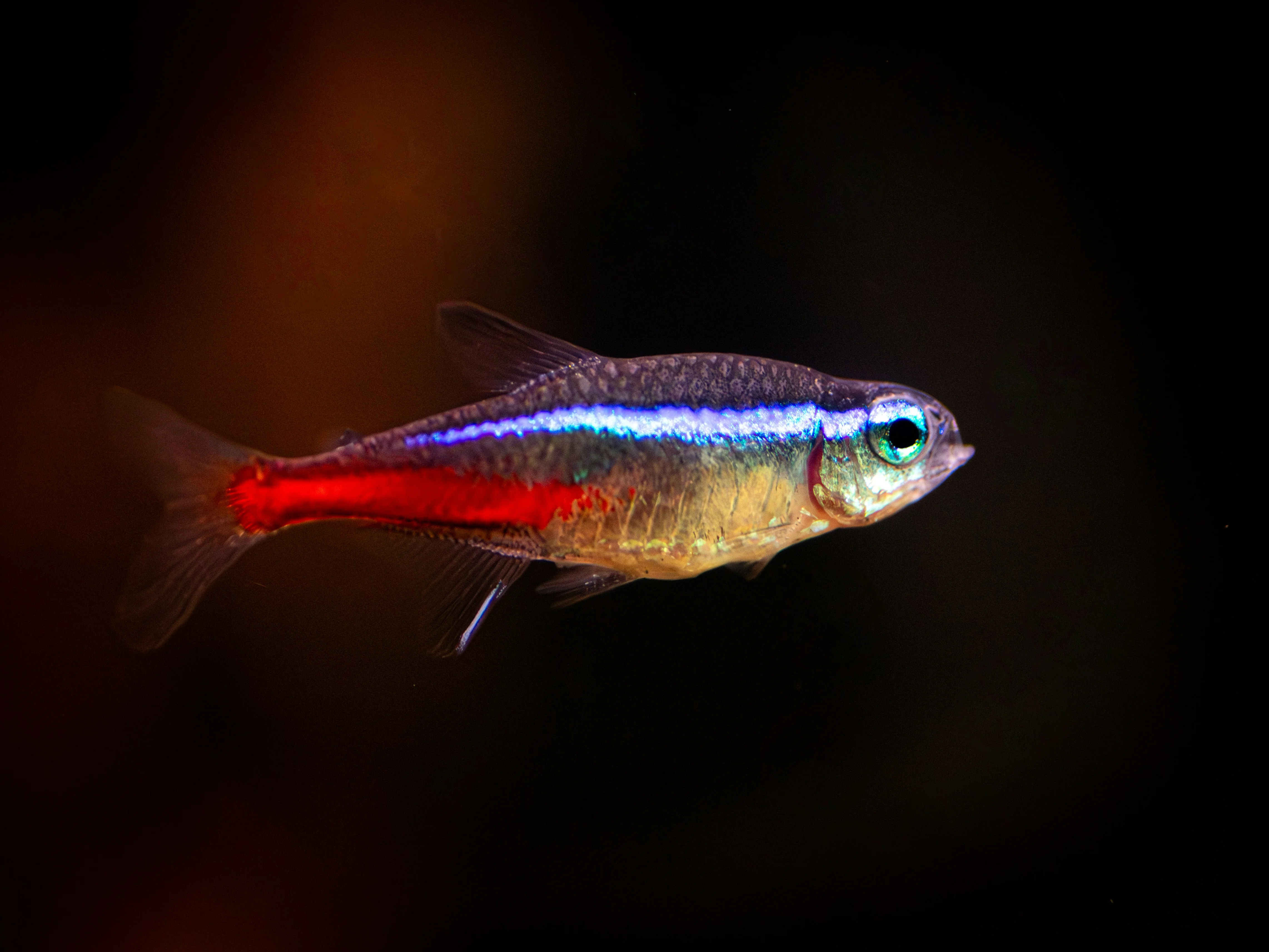
Successful nano community stocking requires replacing standard community fish with specialized micro-species that stay under 0.8 inches at maturity. In a 10-gallon footprint, a reasonable target is 15-20 total fish, such as a school of 8 Chili Rasboras paired with 6-8 Celestial Pearl Danios, plus a cleanup crew of 10-15 Neocaridina shrimp. Avoid active, deep-bodied fish like Neon Tetras or Tiger Barbs, which quickly overwhelm small dimensions and create both territorial stress and bioload beyond what a 10-gallon biofilter can reliably process. A single 2-inch standard community fish can generate more waste than 4-5 true micro-species combined, which is why species selection matters more than simply reducing headcount.
Nano aquariums (tanks under 15 gallons) are the fastest-growing segment in urban markets across America and Europe. However, because small volumes have less buffering capacity against waste spikes, stocking them requires careful planning and a strict reliance on micro-species. I've watched more nano tanks crash from ambitious stocking lists than from any equipment failure, and almost every case traces back to the same root cause: treating a 10-gallon tank like a scaled-down version of a 55-gallon community setup instead of its own distinct ecosystem.
Why the 1-Inch-Per-Gallon Rule Fails in Nano Tanks
The classic '1 inch of fish per gallon' rule breaks down completely once you're working with 10 gallons or less. Ten 1-inch neon tetras will easily overpace the filtering capability of a small setup because their deep body mass and high swimming activity create significant bioload pressure relative to the water volume available to dilute and process waste. A 10-gallon tank has roughly one-fifth the surface area to volume ratio of a 55-gallon, meaning gas exchange and waste dilution both happen more slowly per fish. With small volumes, always select micro-species that top out at 0.5 to 0.8 inches in adult size, since their mass produces a fraction of the waste a standard community fish generates, and their bioload footprint scales down proportionally faster than their length would suggest.
Best Micro-Fish for a 10-Gallon Nano Community
Build a stable, visually striking community using these highly compatible nano species groups, each selected for staying well under an inch at full maturity.
Chili Rasboras
Boraras brigittae, the Chili Rasbora, reaches a maximum size of just 0.7 inches, and a school of 8 or more displays intense red coloration with an incredibly low biological footprint. They're one of the few nano species that actually looks better in larger numbers within a 10-gallon footprint, since their schooling behavior tightens and their color intensifies with confidence in a bigger group. Keep them in soft, slightly acidic water where possible, though they're more adaptable than their delicate appearance suggests.
Celestial Pearl Danios
Celestial Pearl Danios (Danio margaritatus) resemble miniature trout, with gold spots scattered across deep blue bodies, and perform beautifully in heavily aquascaped layouts with dense plant cover. They're shy by nature and do best in a school of 6-8, given plenty of visual breaks from moss or fine-leaved plants. Unlike Chili Rasboras, CPDs are more sensitive to strong current, so pair them with gentler filtration.
Ember Tetras
Ember Tetras (Hyphessobrycon amandae) bring a fiery orange color that's a compact alternative to standard tetras, schooling tightly and staying peacefully small at around 0.6-0.8 inches. They're noticeably more outgoing than CPDs, spending more time in open water, which makes them a good visual anchor species in a planted nano layout.
Other Notable Micro-Species
Pygmy Corydoras (Corydoras pygmaeus) top out around 1 inch and are one of the only true bottom-dwelling schoolers small enough for a 10-gallon footprint, best kept in groups of 6 or more. Endler's Livebearers, close relatives of guppies, stay around 1-1.5 inches for males and add constant movement and color, though they breed prolifically enough that population management becomes a real consideration within months.
Stocking Numbers and Bioload Math for 10 Gallons
A reasonable target for a 10-gallon nano community is 15-20 total micro-fish under 0.8 inches, split across two or three compatible schooling species, plus a cleanup crew of shrimp or snails. This isn't a hard ceiling, but pushing meaningfully past it without upgraded filtration risks recurring ammonia spikes even with regular maintenance. Adding Neocaridina shrimp, like cherry shrimp, contributes minimal bioload while providing genuine algae and detritus cleanup, and a colony of 10-15 shrimp barely registers against your waste budget compared to even a few extra fish.
Compatible Pairings and Species to Avoid
Safe Community Combinations
Chili Rasboras and Celestial Pearl Danios pair well since both are peaceful, similarly sized, and appreciate dense planting, though stagger their introduction so the more confident Rasboras don't intimidate shy CPDs during the settling-in period. Ember Tetras combine nicely with a Pygmy Corydoras bottom-dwelling group, since they occupy different water column zones and rarely compete for the same space or food.
Species That Outgrow or Overwhelm Nano Tanks
Avoid active, deep-bodied fish like standard Neon Tetras, Tiger Barbs, or any species marketed as a \"dwarf\" variety of a normally larger fish, since even dwarf strains typically still exceed the bioload budget a 10-gallon tank can sustainably support. This is the pairing mistake I see most often in nano tank forums: someone adds a small number of a normal community species, assuming fewer fish offsets their larger individual bioload, but a single 2-inch fish can produce more waste than 4-5 true micro-species combined, straining a tank's nitrogen cycle regardless of headcount.
Filtration, Water Changes, and Maintenance Schedule
An oversized HOB (Hang-On-Back) filter with adjustable flow, or a dual-sponge filter driven by an air pump, works best for nano community tanks, providing strong biological filtration capacity without creating a harsh current that stresses shy species like CPDs. Plan for a 20-25% water change every single week without exception, since small volumes evaporate faster and concentrate waste more quickly than larger tanks, meaning a single missed cleanup can shift parameters noticeably within days.
Common Nano Tank Mistakes
Overstocking based on fish length rather than actual bioload is the single most common mistake, closely followed by skipping a full nitrogen cycle before adding fish, since a 10-gallon tank has far less buffering capacity to absorb an early ammonia spike than a larger system. Overfeeding is another frequent issue in small tanks specifically, since it's easy to misjudge portion size relative to such a small water volume, and excess food fouls water noticeably faster in 10 gallons than it would in 40. Give any new nano tank the same 4-8 week cycling period you'd give a larger tank; the smaller volume doesn't cycle any faster; it just has less room for error once fish are added.
Knowledge Journey
Recommended Next Steps
Move from reading to action with related calculators, fish profiles, and quiz-based recommendations.
Calculator
Aquarium Fish Stocking Calculator
Estimate realistic fish stocking capacity using adult size, bioload, filtration, swimming space, tank maturity, plants, and maintenance habits. Suitable for community tanks, cichlids, predators, and planted aquariums.
Calculator
Aquarium Light Duration & Photoperiod Calculator
Dial in the perfect photoperiod for your aquarium. Enter your tank type, plant density, and viewing schedule to calculate the optimal daily light duration that fuels plant growth, suppresses nuisance algae, and gives your fish a healthy day/night cycle — without guesswork.
Calculator
Aquarium Nitrogen Cycle Tracker
Stop guessing if your tank is safe for fish. Input your latest ammonia, nitrite, and nitrate test results to determine exactly which phase of the nitrogen cycle your aquarium is in, what your readings mean, and what action to take right now to move forward safely.
Quiz
Fish Compatibility Quiz
Find beginner-friendly fish that match your tank size, setup, and experience level.
Quiz
Fish Quiz Hub
Choose a guided quiz and get personalized fish care next steps.
Calculator
Ammonia Toxicity Calculator (Free NH3)
Enter your test kit reading (TAN), pH, and temperature — get an instant SAFE or LETHAL verdict for Free Ammonia (NH3). Built for API Master Kit users, cichlid tanks, reef setups, and fish breeders.